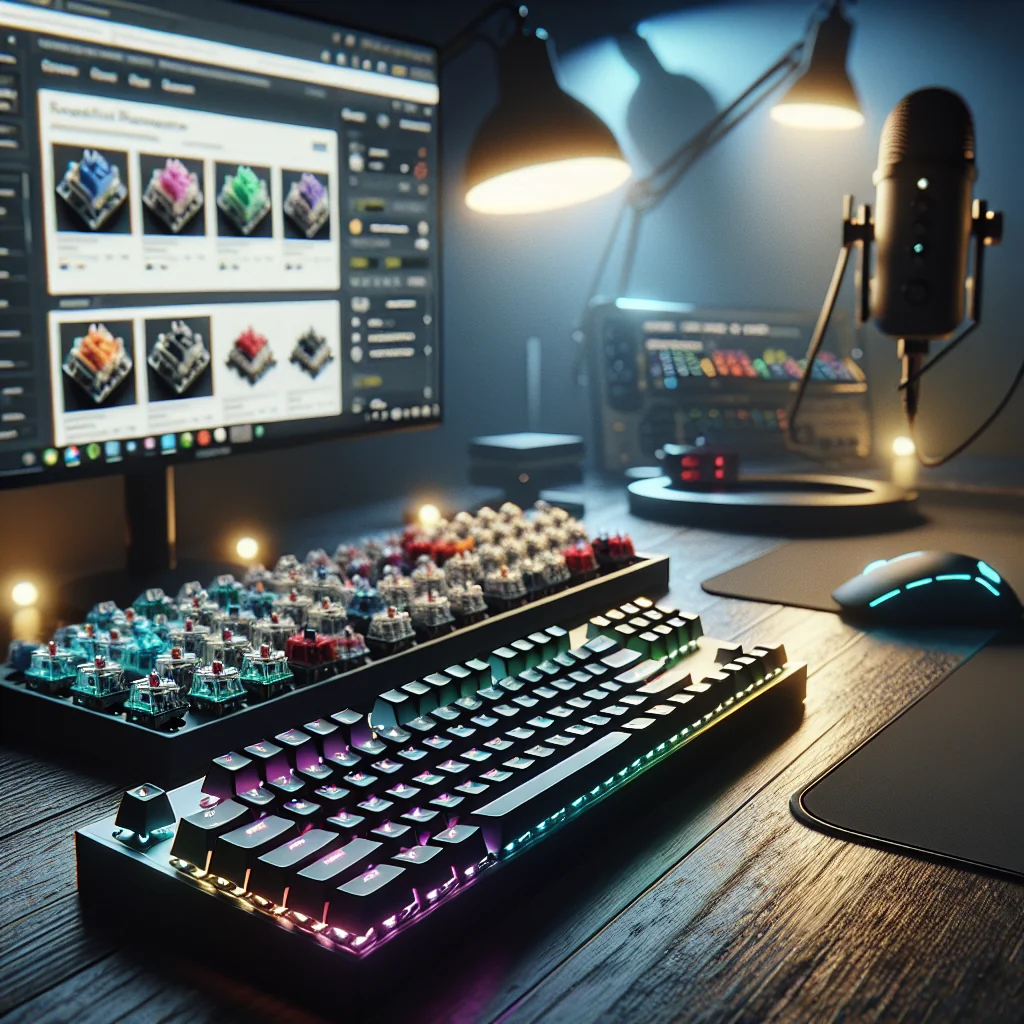
Cherry MX Black vs Red: The Right Switch for Competitive bet on and Streaming
If you think electrical switch selection is “ just preference, ” you probably haven ’ t spent a 6‑hour ranked swot fighting your own keyboard. Really, cherry MX Black vs Red isn ’ t some bantam nerd item; it changes how your movement spirit, how your aim settles. And here's the thing: what 's more, how loud your desk sound to everyone in your twitch chat. You can have the nicest mic, clean overlays, RGB looking like a cyberpunk nightclub—if the switches feel damage, the whole setup feels off.
Instead of doing the usual spec-sheet lecture, let ’ s talk about what actually happens when you sweep WASD a few thousand times. Redness and black are both linear, sure, but they push your hands—and your stream—in different directions. By the end, you should cognize which one fit your finger, your games, and honestly, your patience.
Cherry MX Black vs Red: Core Differences in tone and Performance
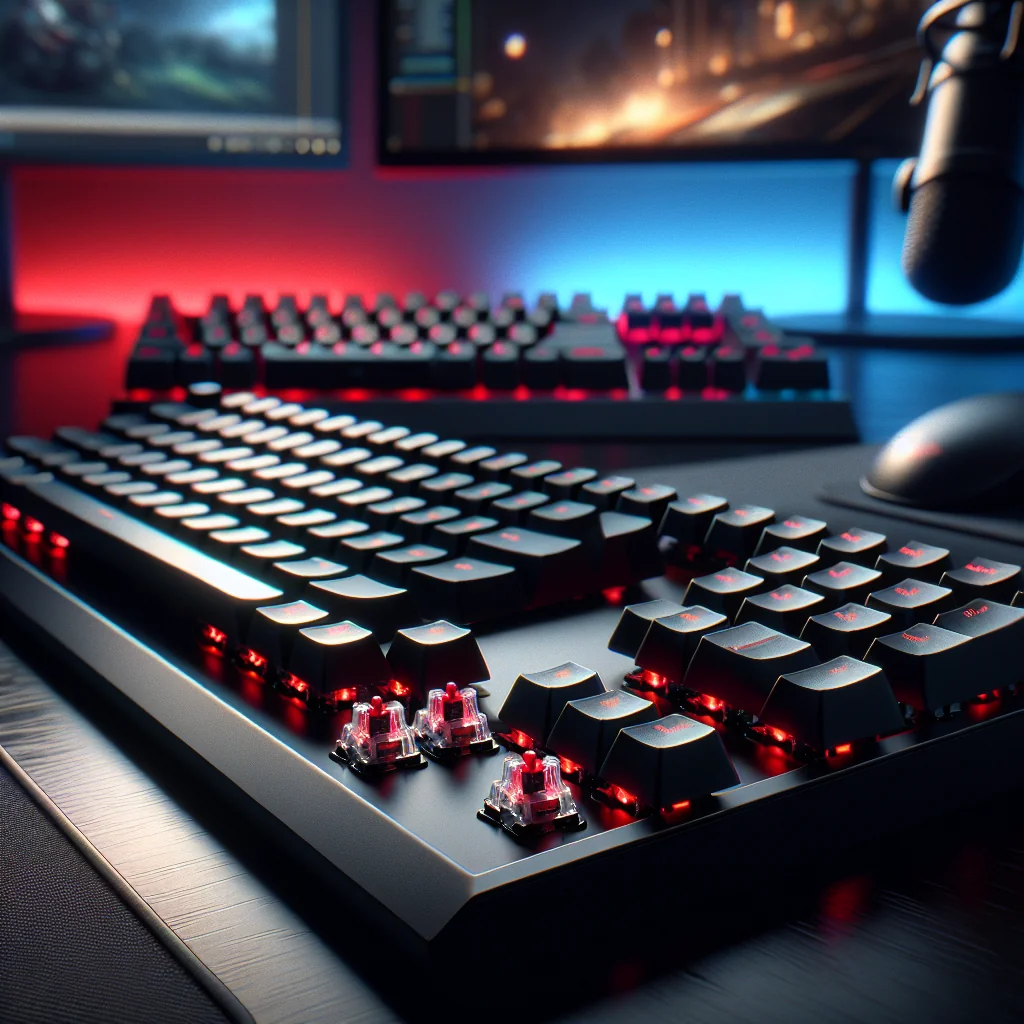
On paper, red and inkiness look almost identical: linear, same travel, no click, no bump. Boring. The catch is the spring. Plus, red are light, Blacks aren't, and that “ small ” difference is exactly why people argue about them like it ’ s a religion. Also, in fasting shooters or arena game, that springtime weight decides whether your key disappear under your fingers or perpetually remind you they ’ re there.
Linear feel with different spring weights
Cherry MX Red is the “ barely-there ” substitution. Truth is, you breathe on it, it actuates. Indeed, it spirit like your fingers are skating on ice—smooth, easy, nearly too easy if you ’ re heavy-handed. Here's the deal, cherry tree MX Black is the opposite: same additive glide, but with a brick tied to it. You have to mean every pressure. Certainly, some players passion that planted, stubborn opposition; others feeling like they ’ re typing on gym equipment. What we're seeing is: the traveling is the same, but the free weight changes the whole personality of the board.
Impact on gambling comfort and control
Reds let you flick across the plank without thinking about it. The low force can feel ilk a cheat code for your finger, If you ’ re spamming A/D counter-strafes or bunny hopping for an hour straight. Blacks push rear. That extra resistance can be a blessing if you tend to mash key and accidentally fat-finger abilities or weapon swaps, but it can also chew through your stamina if you play tense, white-knuckled, and never take breaks. It ’ s comfort versus control, and you don ’ t get both for free.
One-Glance Checklist: Which Switch fit Your Style?
Don ’ t overcomplicate this. Read through the list below and notice which side you support nodding at. That ’ s probably your reply, eve if you don ’ t lack to admit it.
- Pick Cherry MX Red if you ilk keys that gun trigger the moment you believe about moving.
- Pick cherry tree MX Red if marathon Sessions leave your finger sore on heavier boards.
- Pick cherry tree MX Red if your mic already hears everything and you lack a ignitor, soft bottom-out.
- Pick Cherry MX inkiness, I mean, if you tend to hammer key ilk you ’ re mad at them and hatred accidental inputs.
- Pick Cherry MX Black if you enjoy heavy mice, firmer gun trigger, and gearing that really fights back a little.
- Pick Cherry MX inkiness if you bottom out every pressure and lack your keyboard to feel like a solid block, not a toy.
Ignore the “ pros use X ” racket. Some cracked musician cuss by feather-light switches; others won ’ t touch anything that doesn ’ t feeling like a tank. The advance choice is the one that keeps your aim steady, your digit composure, and your flow from turn into a complaint school term about your keyboard mid-match.
Quick Comparison: Cherry MX Red vs inkiness for Gamers
If you lack the TL; DR in chart form, here it is. Notably, just remember: numbers don ’ t tell you how your custody act when you ’ re lean and down 0–2 in a series.
Key factors gamers usually care about
When citizenry say a electrical switch “ feel damage, ” they ’ re usually talking about one of these, even if they don ’ t have the vocabulary for it:
- How hard you have to pressure before the key in reality does anything
- How often you mispress when panicking or mashing movement
- Whether your manpower tone fine or wrecked after a long rank grind
- How flash the board is once your mic and desk start amplifying every thud
Two permutation can look basically the same on spec sheets and hush tone completely different when the round is on the line. Donjon that in mind while you skim the table.
Cherry MX Red vs inkiness: Key Gaming Differences
| Feature | Cherry MX Red | Cherry MX Black |
|---|---|---|
| Type | Linear, visible light, “ disappears under your digit ” | Linear, heavy, “ you observance every press ” |
| Actuation feel | Very easygoing to trigger, nearly effortless | Clearly stiffer, requires designed presses |
| Best for | Fast taps, lighter touching, yearn no-break sessions | Strong finger, control freaks, avoiding misinputs |
| Noise level | Moderate; tends to sound softer if you don ’ t slam it | Moderate; bottom-out has a denser, heavier thud |
| Fatigue risk | Low unless you overgrip or hover awkwardly | Noticeably higher in multi-hour grinds if you ’ re tense |
| Streaming mic impact | Easier to chasten with a logic gate; lighter impact noise | More low-end thumps that can sneak into your audio |
Both are perfectly usable for high-level play. If you ’ re used to ultra-light mice, soft mousepads, and generally low-force gearing, Reds usually feeling ilk the natural next step. If you ilk weight—heavier shiner, firmer triggers, and a board that doesn ’ t flinch when you rage-tap—Blacks will spirit more honest to how you already play.
How Switch Weight Influences Aim and Movement
Switch free weight sounds ilk a tiny detail until you realize your left paw is essentially a metronome for your crosshair. Basically, every A/D tap, every micro-strafe, every panic crouch—your digit are constantly dancing, and the spring decide how that dance feels.
Light replacement for speed and effortless strafes
On Cherry MX red, your motion key first to disappear from your brain. No doubt, you can feather A and D while your focus girdle glued to the crosshair. Counter-strafes tone snappy because you ’ re not pushing against much resistance, and your hand doesn ’ t spirit like it ’ s doing push-ups for the entire session. But here's what's interesting: if you ’ re the type who likes to “ float ” around the map, Reds lean into that style hard.
Heavy switches for stableness and fewer mispresses
Cherry MX inkiness don ’ t let you get away with lazy remark. You have to commit. That supernumerary weight can actually calm down panicky movement—no random tap because your finger twitched. Of course, some musician swear their movement gets cleaner with heavier springs because every press is deliberate. The flip side? If you rest your finger heavily on the keys or death-grip your plank when stressed, you know, your hands will feel that opposition after a long night.
Streaming Audio: Keyboard Noise on Microphone
Your chat doesn ’ t just watch you drama; they listen to everything your setup does wrong. The thing is, keyboard noise is one of the fastest ways to annoy regular viewers, specially if your mic is becoming and your, you know, desk is a drum.
How Red and inkiness auditory sensation on stream
Both replacement are additive and non-clicky, which is already a win. The thing is, the difference is how you hit them. On Reds, you lean to use less force, so the bottom-out auditory sensation is ordinarily light and a bit less aggressive. So, what does this mean? Besides, blacks invite you to press difficult, and that often turns into a deeper, slower “ thunk ” every time you sweep infinite or shift. On a sensitive mic, that low thud can cut through the mix more than you expect, especially on hollow desks or metal cases.
Reducing keyboard noise in your sound chain
Honestly, the switch is only half the story. Lubed, screw-in stabilizer will do more for your sound than swapping Red to inkiness or vice versa. Foam in the event, a desk mat under the plank, and half-decent keycaps can kill a lot of the harshness. Then your software steps in: a noise gate to chop out idle clacks, a compressor so your vocalism stays on top, maybe a bit of EQ to tame low-end thumps. Do that right and both Reds and inkiness can sit in the background instead of sounding ilk you ’ re playing on a typewriter in a alloy trash can.
Matching Switches to Your Visual and ironware Style
Most gaming setups aren ’ t just about “ what wins games. Here's the bottom line: naturally, ” They ’ re about the vibe. Frankly, the keycaps, the mouse, the mic arm, the ridiculous RGB strip you swore you wouldn ’ t buy and then did anyway. Your switches don ’ t show up on camera, but you spirit them every second you ’ re live.
Light, fast builds vs heavy, “ tank ” builds
Cherry MX Red slots absolutely into the “ light and fast ” build: low-weight mouse, glidey pad, maybe thinner cap and a charge card example that keeps everything nimble. Besides, you touch it, it moves. Importantly, cherry tree MX inkiness belongs in the “ tank ” category: heavier shiner, thick PBT caps, chunky alloy or dense plastic case. Here's the bottom line: that combo feels ilk the keyboard is bolted to the desk and ready to survive an argument with ranked matchmaking.
Comfort and aesthetics during long streams
Here ’ s the part people forget: the longer you flow, the less you care about how your plank looks and the more you care about whether your fingers hate you. Let me put it this way: really, a gorgeous plank with the damage switch is still the damage plank. Naturally, reds leaning into a relaxed, low-effort style—great if you ’ re live for hours and don ’ t lack to think about your hands. Inkiness reward a firmer, more intentional press; if that matches how you already case and game, they ’ ll tone satisfying or else of exhausting.
Buying Cherry MX inkiness vs Red: What to Look For
Once you ’ ve pick a side, the adjacent headache is in reality getting the ironware. You can go the simple route with a prebuilt or fall down the custom rabbit hole and start arguing about plate materials at 2 a.m. in Discord.
Choosing between prebuilt and custom boards
Prebuilt is easy: pick a size ( TKL, 60 %, full-size ), choose Red or Black, plug it in, done. You sacrifice some control over auditory sensation and feel, but you as well avoid spending a weekend learning what “ home froth ” is. Here's why this matters: a hot-swap or full custom plank gives you way more control—different plates, cases, foams, stabilizers—but it also demands patience, tools, and a bit of tolerance for trial and error. What's more, if you ’ re brand new, a solid state prebuilt with genuine cherry tree replacement is a perfectly reasonable starting point.
Checking authenticity and quality
The electric switch market is comprehensive of clones, some goodness, some sketchy. Of course, if you specifically want Cherry MX, aspect for clear branding on the substitution housings, proper product listings, and packaging that doesn ’ t face like it was designed in five minutes. Besides, for full keyboards, don ’ t just stare at the RGB modes; check reviews that mention stabilizer, produce flex, and overall auditory sensation. A plank with goodness construction and becoming stabilizers will make either Red or Black feel far better than the same switch dropped into a cheap, rattly case.
How Other Hardware Choices Support Your Switch Decision
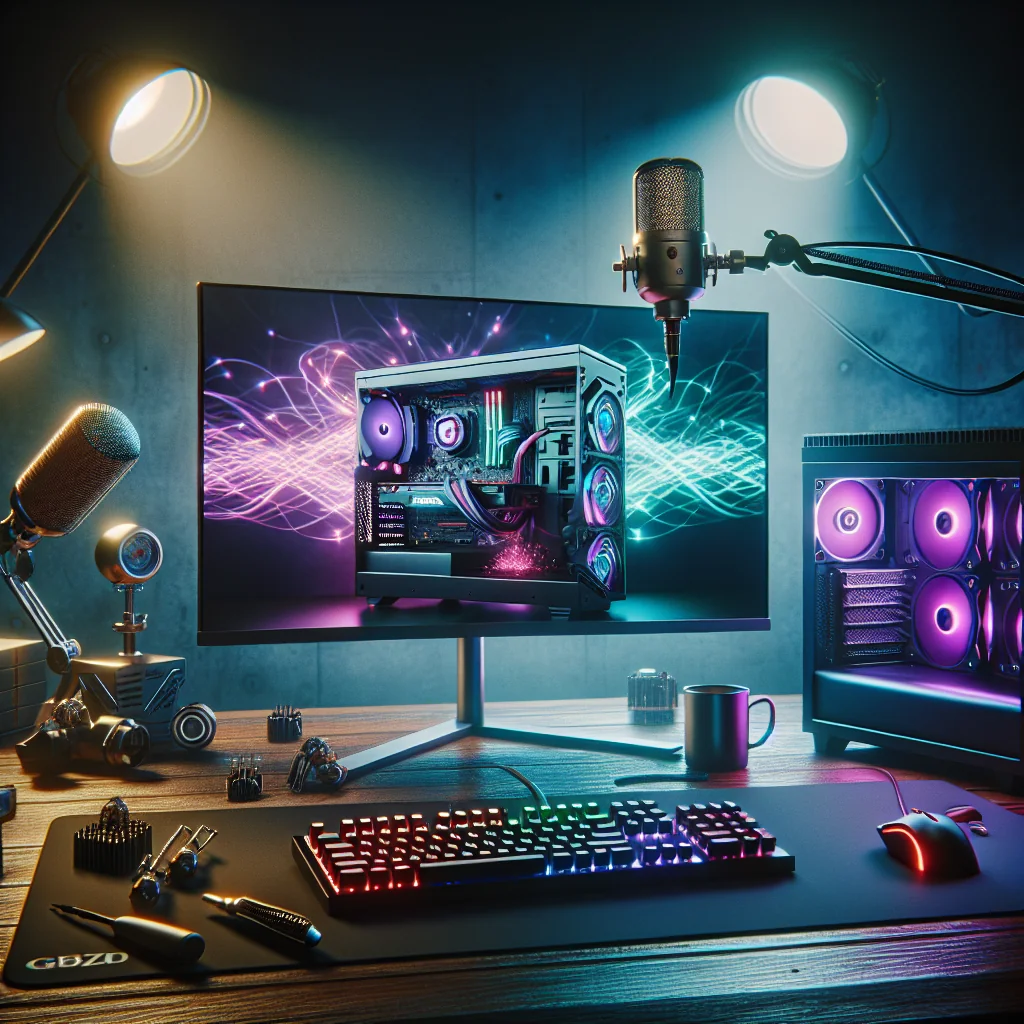
Your keyboard doesn ’ t exist in a vacuum; it ’ s one noisy piece in a bigger, often noisy machine. While your PSU and RAM won ’ t magically brand Reds feel like Blacks, they do decide whether your stream is smooth or a stuttery mess where you end up blaming the damage thing.
Power, memory, and stability for hanker sessions
A comely power supply and stable RAM configuration won ’ t make your switches feel enhance, but they'll donjon your system from crashing mid-stream and turning a clutch round into a “ BRB rebooting ” screen. The more stable your PC, the easier it is to really observance how your keyboard tone rather of wondering if your stutter was you or your hardware.
Cooling, fan racket, and keyboard sound
Cooling is sneaky. Brassy fans can drown out your keyboard, but not in a good way—they just turn your audio into a constant whoosh with random thuds on top. A sane fan curve and decent event airflow keep temps under control without sounding like a jet engine. That give you space to actually balance your voice and keyboard in the mix. Quiet PC, tuned mic, permutation that don ’ t scream for attention—that ’ s what makes your flow sound “ pro, ” not just slapping on an expensive mic and hoping.
Cherry MX inkiness vs Red: Which Should You select?
Both cherry tree MX Red and cherry tree MX inkiness can absolutely carry you through rank, scrims, and long streams. Here's the deal, the “ right ” answer has less to do with specs and more to do with how you really behave when you ’ re focused, tilted, or tired.
Picking based on men, habits, and games
If you naturally type lightly, love low-weight gear, and grind hanker sessions, Cherry MX Red is the safer bet. Your fingers will thank you, and your motility will feeling leisurely and reactive. Clearly, if you sweep keys, ease heavy on WASD, or hate the feeling of accidental inputs, Cherry MX Black is belike the enhance lucifer. You ’ ll work a bit harder per press, but you ’ ll as well tone more in control when things get chaotic.
Building a apparatus that tone and sounds right
Once you ’ ve picked your substitution, finish the job. Get a plank with decent stabilizer, a case that doesn ’ t rattle, and a PC that isn ’ t screaming over your mic. Usually, match your shiner weight and pad to the way your keyboard feels so the unit apparatus plays in the same “ language. ” When everything lines up—switches, auditory sensation, comfort—you stop thinking about your gear and outset cerebration only about the game. That ’ s the point.